


What Is a Root Canal?
It is an endodontic restorative procedure that treats the insides of teeth. The goal of all root canal procedures is to save natural teeth. To do so, the endodontist will treat the damaged part of the tooth, allowing the rest of it to remain intact in your mouth.
Root canal procedures entail removing damaged soft tissues in a tooth, including nerve endings, blood vessels, and connective tissues. These soft tissues are in the inner layers of teeth. To access them, the endodontist drills through the tooth enamel, accessing the pulp cavity. The dental expert cleans the tooth pulp while ridding it of all infection and bacteria. Afterward, the dentist will complete the treatment by filling the root cavity and sealing the tooth to prevent re-entry of bacteria.
Can Endodontist Do a Root Canal in One Visit?
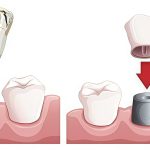
Technically, root canal procedures do not require multiple dental visits. Your dentist at Bolton dental office will clean the insides of the tooth and place a tooth filling all in one dental visit. However, in some cases, multiple dental visits are necessary. A weak tooth structure after a root canal requires reinforcement. Your family dentist will recommend placing a dental crown over it. If that is the case, you will require a different dental visit for installing the dental crown. The reason is that dental crowns are typically manufactured in a dental laboratory, which may take some time to complete. Meanwhile, your dentist will place a temporary crown to cover and protect your tooth while your permanent one is readied.
Are All Root Canal Procedure Successful?
Endodontic treatments have high success rates for saving natural teeth that would otherwise need extraction. However, as our dental team at South Hill Dental will inform you, some root canal procedures may fail. Some patients experience pain in their teeth soon after their treatment, while others take as long as a year before they can realize it. Different reasons can account for a failed endodontic procedure.
Reasons Your Tooth May hurt After a Root Canal
The causes of tooth pain after a root canal procedure may not always have something to do with the performance of your treatment. If you experience pain very soon after your treatment, likely, your initial treatment was not as successful as it should be. However, the rest of the time, a painful tooth after a root canal procedure is caused by different factors. Some reasons for tooth pain after a root canal, are:
- Irritants and remnant bacteria in a tooth – if the endodontist did not remove all infected tissues and bacteria in your tooth, you may experience pain after your treatment. It may be difficult for the dentist to remove all the irritants in your tooth the first time around if you have a complex root canal than other patients.
- A crack or fracture on the tooth – any dental trauma or injury after your treatment may affect the procedure’s success. If your tooth cracks or breaks, there is a loophole for bacteria to creep back into the inner layers of your tooth, causing re-infection.
- A loose filling – dental fillings help seal your tooth after a root canal. If the tooth filling does not adhere properly to your tooth or gets loose with time, it allows room for re-infection.
- Tooth decay – although your tooth is treated, it is possible to get a cavity again if you are not keen to care for your dental hygiene.
- Periodontal disease – an infection on your gums threatens the health of your natural teeth. Even after an endodontic procedure, your infected gums could cause your treated tooth to hurt again.
Treatment Options After Root Canal Failure
If your tooth starts hurting a year after your initial root canal treatment, you may need a procedure called endodontic retreatment. It involves treating your tooth again to address persistent or recurring infection. The endodontist must first identify the cause of the initial failure to determine the right course of action. The retreatment involves reopening the tooth to access the pulp cavity. The dentist will clean it thoroughly, apply an antibacterial dressing to eliminate any remaining bacteria, and then fill and seal the tooth again. If you are experiencing tooth pain after a root canal, contact South Hill Dental today to schedule an appointment and explore the right treatment options to restore your dental health.
FAQs
Is it normal to experience pain after a root canal?
Mild pain or sensitivity for a few days after treatment is common. However, persistent or worsening pain should be evaluated by your dentist.
What are the common causes of pain after a root canal?
Common causes include residual bacteria, tooth cracks, loose fillings, new tooth decay, and gum disease.
Can a root canal treatment fail?
Yes, a root canal can occasionally fail due to persistent infection, complex root anatomy, tooth fractures, or leakage around the filling or crown.
Can a tooth become infected again after a root canal?
Yes, a treated tooth can become reinfected if bacteria enter through a damaged filling, a cracked tooth, or new decay.
What is endodontic retreatment?
Endodontic retreatment is a procedure that treats a previously root canal-treated tooth again to address persistent or recurring infection.