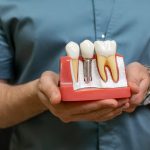


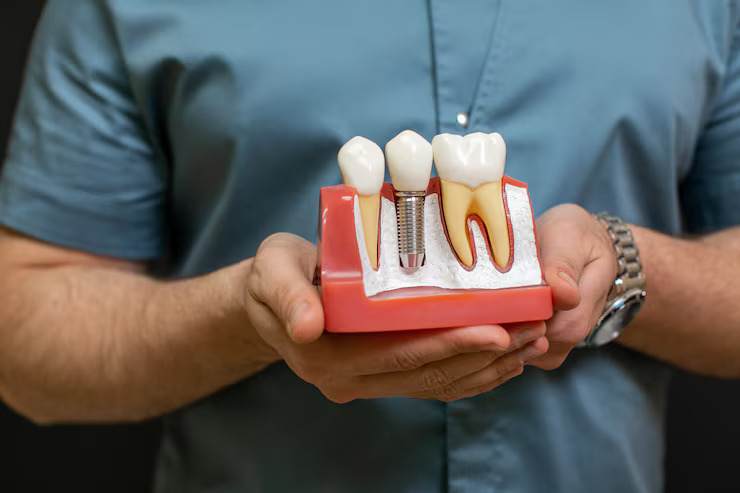
Having missing teeth made it harder to smile, eat, or speak. Dental implants in Bolton provide a stable solution for missing teeth and can help restore daily mouth function. Dental implants are used to replace missing teeth by inserting titanium screws into the patient’s jawbone. They assist in closing spaces, facilitate easier chewing, and provide a more natural appearance to your smile. With appropriate care and routine dental visits, implant-supported teeth can offer long-term support.
Various factors affect which kind of treatment will be suitable. These include the number of missing teeth, the condition of your gums, and many more.
How Do Dental Implants Restore a Smile?
Missing teeth can leave visible gaps that may affect the overall appearance of a smile. A dental implant can support a custom-made crown, bridge, or denture to replace one or more missing teeth.
The replacement is designed to match the surrounding teeth in shape and colour. This can help create a more balanced smile while restoring the space left by tooth loss.
What Happens During Dental Implant Treatment?
Understandingwhat to expect during dental implant treatmentcan make the process easier to follow. Treatment usually takes place over several stages, and the exact timeline varies from one person to another.
The process may include:
- Initial assessment: The teeth, gums, and jawbone are examined to check whether implants are suitable.
- Treatment planning: The number and position of implants and the type of replacement teeth are planned.
- Implant placement: The implant is put into the jawbone to support the new tooth.
- Healing time: The implant and jawbone are given time to heal and become strong.
- Final tooth: A custom crown, bridge, or denture is placed on the implant to replace the missing tooth or teeth.
Additional treatment may sometimes be needed before implant placement, depending on bone or gum health.
How Can Dental Implants Improve Confidence?
Tooth loss can affect more than oral function. Gaps in the smile may make some individuals feel less comfortable smiling, talking, or eating around others.
A stable tooth replacement can make your smile look better and help you feel more confident. The goal is not only to fill the gap but also to make sure the new tooth fits well with your other teeth.
Confidence can improve when daily activities feel more natural, and the appearance of missing teeth is no longer a major concern.
How Do Dental Implants Support Chewing and Speech?
Missing teeth can affect how food is chewed and may sometimes change the way certain words sound. The impact depends on the number and location of missing teeth.
An implant-supported tooth can give you a stable surface for chewing and fill the gap left by a missing tooth. Over time, eating and speaking may feel easier as you get used to the new tooth.
The results depend on the individual treatment plan and the condition of the remaining teeth.
How Long Do Dental Implants Last?
How long do dental implants last with proper care depends on several things, such as how well you care for your teeth, the health of your gums, your daily habits, and regular dental visits. The implant is made to last for many years, but the crown or other visible part may need to be fixed or replaced over time due to normal wear.
Good daily care can help support the health of the implant and surrounding tissues.
Important habits include:
- Brushing twice a day
- Cleaning carefully around the implant
- Attending regular dental checkups
- Following professional cleaning recommendations
- Avoiding smoking and tobacco use
Addressing signs of gum problems early
Why Is Professional Planning Important?
A dental clinic in Bolton can assess the condition of the teeth, gums, and jawbone before treatment begins. Careful planning helps determine whether implants are suitable and what type of restoration may provide the best fit.
Factors that may be considered include:
- The number of missing teeth
- The location of the missing teeth
- Jawbone condition
- Gum health
- Overall oral health
- Daily oral hygiene habits
A detailed assessment at a dental clinic near you can also help explain the expected treatment timeline and care needed after the implant is placed.
Are Dental Implants Suitable for Everyone?
Dental implants might be a possibility for many adults with missing teeth, but not everyone qualifies. When planning treatment for an implant, the gums and supporting bone must be sufficient.
Certain conditions or habits may affect treatment planning. A dental assessment can identify possible concerns and help determine whether additional care is needed before moving forward.
Restore Your Smile With the Right Tooth Replacement Option!
Getting dental implants can help improve more than just your smile. The chewing and speaking abilities can be made easier with the use of dental implants as well. A dental checkup can help you determine if you are a good candidate for implants based on your oral health, jawbone condition and personal needs.
Book an appointment with South Hill Dental to discuss missing teeth, understand the treatment process, and explore tooth replacement options suited to your smile and long-term oral health.
FAQs
Can dental implants replace one missing tooth?
Yes. One dental implant can support a custom-made crown to replace one missing tooth if your gums and jawbone are healthy enough.
Can dental implants replace several missing teeth?
Yes. More than one implant can support several crowns, a dental bridge, or an implant-supported denture, depending on your needs.
Do dental implants look natural?
The final restoration is custom-made to fit the smile and may be matched to the colour and shape of nearby teeth.
Can dental implants improve chewing?
An implant-supported replacement can provide a stable surface for chewing and may help restore everyday eating function after tooth loss.