


For many young adults, the arrival of third molars brings up a lot of questions about oral health and future comfort.
Understanding when wisdom teeth should be removed is essential because these late-blooming teeth often lack the space necessary to emerge properly.
While some people have enough room in their jaw for these molars, many others experience crowding or pain as they attempt to break through the gums.de
Regular check-ups allow a professional to monitor their growth and determine if they are likely to cause issues for the rest of your smile.
Signs That Your Third Molars Are Causing Problems
It is common to feel a little bit of pressure when new teeth move, but certain symptoms suggest that you should seek a professional opinion.
Many patients wonder if a specific type of ache or swelling means that they do need a wisdom tooth extraction to prevent further discomfort.
If you notice a dull throb at the back of your jaw or if your gums feel tender and red in that area, the tooth is likely struggling to find its place.
In some cases, you might even experience stiff jaw muscles or an unpleasant taste near the back of your mouth.
The Professional Evaluation Process
When you visit a clinic for wisdom teeth extractions in Bolton, the process begins with a detailed digital X-ray to see what is happening below the gum line.
This imaging allows the clinical team to see the angle of the tooth and whether it is “impacted,” which means it is stuck against another tooth or bone.
Seeing the root structure and the position of the tooth helps the provider plan a safe and efficient way to remove it before it causes a major infection.
What are the Risks of Avoiding Treatment?
Leaving a problematic molar in place can lead to several long-term health complications that are much harder to fix later.
If you are curious about what happens if you don’t remove wisdom teeth when they are crowded, the most common result is damage to the neighbouring second molars.
- Cyst Formation: Fluid-filled sacs can develop around the new tooth, which may damage the jawbone or nerves.
- Gum Infection: Partially emerged teeth create a “pocket” where bacteria hide, leading to painful swelling known as pericoronitis.
- Tooth Decay: Because these teeth are so far back, they are very hard to clean, making them magnets for cavities.
- Crowding: Pressure from the third molars can push your front teeth out of alignment, ruining previous orthodontic work.
Comparing Impacted vs. Healthy Wisdom Teeth
| Feature | Healthy / Erupted | Impacted / Hidden |
| Position | Upright and fully visible | Sideways or stuck in the bone |
| Cleaning | Can be brushed and flossed | Impossible to reach with a brush |
| Pain Level | Usually none | Constant pressure or sharp aches |
| Effect on Others | Does not move other teeth | Causes crowding and damage |
| Treatment | Can often be kept | Removal is usually recommended |
Finding the Right Care Close to Home
The best way to stay on top of your dental health is to have a trusted dentist in Bolton who can track the progress of your molars over several years. Having a consistent record of your dental changes makes it easier to spot the exact moment a tooth becomes a risk.
If you are feeling sudden pain, searching for a dentist near you ensures that you can get a quick exam and possibly a same-day solution for your discomfort.
Being close to your provider also makes the follow-up visits after a procedure much more convenient for your busy schedule.
What to Expect During the Removal Procedure
Many people feel nervous about the idea of surgery, but modern techniques make the experience very manageable. Your provider will ensure the area is completely numb, and many offices offer sedation options to help you stay relaxed throughout the process.
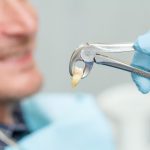
The tooth is gently loosened and removed, and the site is often closed with small stitches that dissolve on their own.
Most people are surprised by how quickly the actual removal takes, often lasting less than an hour for multiple teeth.
How to Recover Quickly After Your Visit
- Bite on Gauze: Keep firm pressure on the site for about 30 minutes to help a clot form.
- Use Ice Packs: Applying a cold compress to the outside of your cheek helps keep swelling down.
- Eat Soft Foods: Stick to items like applesauce, yogurt, and lukewarm soup for the first few days.
- Skip the Straws: Using a straw can pull the healing clot out of place, so drink directly from a cup.
Take Control of Your Oral Health
Deciding to address your third molars early can save you from a lot of pain and expensive repairs in the future.
By paying attention to the signals your body is sending, you can make an informed choice that keeps your entire smile healthy and straight. Our team is here to provide a comfortable experience and answer any questions you have about the process.
At South Hill Dental, we take great pride in helping our patients navigate their dental needs with expert care and a gentle touch.
Are you starting to feel pressure or pain in the back of your jaw? Contact South Hill Dental today to book your consultation and see if it is time for your extraction!
Frequently Asked Questions
Does everyone eventually need to have their wisdom teeth pulled?
Not everyone needs this; if your teeth come in straight and you can keep them clean, you can keep them forever.
What is the best age to have this procedure done?
Most dentists suggest doing it in the late teens or early twenties because the roots are not fully formed and the bone is softer.
How long does it take to feel normal again after surgery?
Most people feel much better after three or four days, though it takes a few weeks for the gums to heal over fully.
Can I drive myself home after the appointment?
If you only use local numbing, you can usually drive, but if you choose sedation, you must have a friend or family member take you home.