


Thinking about getting a root canal, but worried about the cost? A toothache can make it hard to eat, sleep, and enjoy your daily activities. Waiting too long may make the problem worse. If you’re looking for affordable root canal treatment, learning about the cost, the treatment steps, and the recovery process can help you feel more prepared.
A root canal removes infection from inside the tooth, helping preserve your natural tooth and prevent further damage.
What Is Root Canal Treatment?
During a root canal, the infected tissue inside the tooth is removed. The tooth is then cleaned, sealed, and filled to help protect it from future infection.
If you’re looking for root canal therapy near you, this treatment can help save your natural tooth instead of having it removed.
Why Might a Root Canal Be Needed?
A dentist in Bolton may recommend root canal treatment when the inner part of a tooth becomes infected or inflamed.
Common causes include:
- Deep tooth decay
- A cracked or broken tooth
- Repeated dental procedures on the same tooth
- Tooth injury
- Untreated cavities
Early treatment can help prevent the infection from spreading and save the tooth.
What Affects the Cost of Root Canal Treatment?
The cost of treatment varies because every tooth and every case is different.
Several factors may influence the total cost, including:
- Which tooth needs treatment
- The number of canals inside the tooth
- The severity of the infection
- Whether a dental crown is needed afterward
- Diagnostic X-rays or additional procedures
- Insurance coverage
A dental examination provides the most accurate treatment estimate.
Is the Front Tooth Root Canal Cost Different?
Yes. The front tooth root canal cost is often lower than the treatment for larger back teeth.
Front teeth usually have:
- Fewer root canals
- Simpler anatomy
- Shorter treatment time
Back teeth often require more time because they contain multiple canals that must be carefully cleaned and sealed.
What Happens During the Procedure?
Understanding each step can make treatment feel less intimidating.
A typical root canal includes:
- Examination and X-rays.
- Local anesthesia to numb the area.
- Removal of infected tissue.
- Cleaning and shaping the canals.
- Filling and sealing the canals.
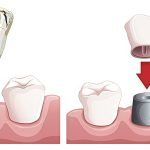
- Placement of a filling or dental crown if needed.
Modern techniques help make the procedure comfortable for most patients.
Does Root Canal Treatment Hurt?
Many people expect a root canal to be painful, but modern dentistry has changed that experience.
Because the tooth is numbed before treatment begins, most patients feel little more than pressure during the procedure. In many situations, the infection causes more discomfort than the treatment itself.
Some mild soreness after the appointment is normal and usually improves within a few days.
How Long Does Recovery Take?
Recovery is usually quick.
Many patients return to normal daily activities within 24 hours.
Mild symptoms may include:
- Temporary tenderness
- Mild sensitivity
- Slight discomfort while chewing
- Minor jaw soreness
These symptoms typically improve as the tooth heals.
Tips for a Smooth Recovery
Following a dentist near you aftercare instructions can help your mouth heal properly.
Recovery Tips:
- Take medicines as directed.
- Eat soft foods for the first day.
- Avoid chewing on the treated tooth.
- Brush and floss gently.
- Stay well hydrated by drinking enough water.
- Return for all scheduled follow-up visits.
Following these care instructions can help your tooth heal properly and lower the risk of future problems.
Why a Dental Crown May Be Recommended
Some teeth become weaker after root canal treatment.
A dental crown may be recommended to:
- Protect the tooth from fractures.
- Restore chewing strength
- Improve appearance
- Extend the life of the treated tooth.
Back teeth are more likely to require crowns because they experience greater chewing forces.
Can a Root Canal Help You Keep Your Natural Tooth?
One of the greatest benefits of root canal treatment is that it helps preserve your natural tooth whenever possible.
Saving your natural tooth can help:
- Chew comfortably
- Keep nearby teeth from shifting.
- Maintain normal jaw function.
- Preserve the appearance of your smile.
- Avoid the need for a replacement tooth.
Whenever possible, keeping your natural tooth is usually the best choice.
Save Your Natural Smile with Trusted Dental Care!
Early treatment can help save your natural tooth, relieve discomfort, and support long-term oral health. A personalized treatment plan helps restore comfort and function based on your dental needs. Visit South Hill Dentalfor caring, personalized dental treatment that meets your needs. Book your appointment today and take the next step toward a healthier, stronger smile.
FAQs
Can a root canal be completed in one visit?
Many root canals are completed during one appointment, while others may require two visits, depending on the amount of infection and the condition of the tooth.
How long does a tooth last after a root canal?
With good daily oral hygiene and routine dental checkups, a treated tooth can stay healthy and functional for many years.
Do I always need a crown after a root canal?
Not always. Front teeth may only need a filling, while back teeth often need a crown because they are used more for chewing.
Is a root canal better than having the tooth removed?
In many cases, yes. Saving your natural tooth helps you chew properly, keeps nearby teeth in place, and supports good oral health.