

Gum recession is a problem that affects more people than most realize. When the gum tissue pulls back from the tooth, it exposes the root underneath—leading to sensitivity, an uneven smile, and a higher risk of decay. For years, the main way to treat it involved cutting and stitching, which put many patients off seeking help.
Today, there are minimally invasive gum recession treatment options that change that picture entirely. Pinhole surgery is one of the most significant advances in this area, and it is worth understanding how it works.
What Is Gum Recession?
Gum recession happens when the edge of the gum tissue moves downward, away from the crown of the tooth. This exposes the root surface, which is softer and more sensitive than enamel.
Common causes include:
- Brushing too hard or with a stiff-bristled brush
- Gum disease, which destroys gum and bone tissue over time
- Teeth grinding, which puts excess pressure on the gums
- Thin gum tissue that is more vulnerable to recession by nature
- Misaligned teeth that push the gum out of position
- Ageing, which naturally thins gum tissue over time
Left untreated, a recession can progress. The more root surface that becomes exposed, the greater the risk of sensitivity, decay, and eventual tooth loss.
Traditional Treatment and Its Limitations
For decades, the standard treatment for significant gum recession was a connective tissue graft. This procedure involves cutting a small piece of tissue from the roof of the mouth and stitching it to the receded area to build the gum line back up.
It is effective, but it comes with drawbacks. There are two surgical sites to heal. Recovery takes longer. There is more post-operative discomfort. And the thought of cutting tissue from the palate is enough to stop many patients from following through on treatment they genuinely need.
This is where looking for pinhole surgery near you becomes relevant. It offers the same goal – restoring the gum line — through a completely different approach.
What Is the Pinhole Surgical Technique?
The pinhole surgical technique is a minimally invasive procedure developed to treat gum recession without scalpels, sutures, or grafting from another part of the mouth.
Here is how it works. A very small hole — about the size of a pinhole — is made in the gum tissue above the area being treated. Through this tiny opening, the dentist uses specially designed instruments to gently loosen and reposition the existing gum tissue downward over the exposed root surface.
Collagen strips are then placed through the pinhole to help stabilize the repositioned tissue and encourage the gum to hold its new position as it heals.
That is it. No cutting. No stitching. No second wound site.
How the Pinhole Technique Compares to Traditional Grafting
Understanding the pinhole surgical technique for receding gums explained clearly means looking at how it compares to conventional methods.
| Factor | Pinhole Surgery | Traditional Graft |
| Incisions | One tiny pinhole per area | Multiple cuts required |
| Sutures | None | Yes |
| Tissue grafting | No | Yes—from the palate |
| Recovery time | Days | Weeks |
| Post-op discomfort | Minimal | Moderate to significant |
| Number of teeth treated | Multiple in one session | Usually limited per visit |
| Results visible | Immediately | After healing |
One of the most significant advantages is that the pinhole technique can treat multiple areas of recession in a single appointment. With traditional grafting, only a limited number of teeth can typically be treated at once because of the amount of donor tissue available.
What to Expect During and After the Procedure
Patients who visit a dental clinic in Bolton for pinhole surgery are often pleasantly surprised by how straightforward the experience is.
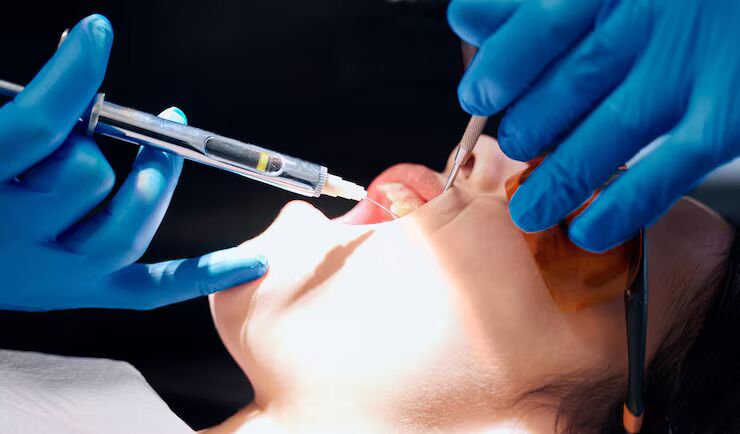
Before the procedure, a local anesthetic is used to numb the area completely. The procedure itself is quiet and controlled—no cutting sounds, no pulling of tissue from the palate, and no stitches to place.
Most appointments take between one and two hours, depending on how many areas are being treated. Because there are no incisions or sutures, the recovery period is much shorter than traditional grafting.
Most patients will experience:
- Soreness and tenderness for the first couple of days.
- Swelling that will go down over a couple of days.
- A few days of eating soft food, while the tissue establishes itself.
- A post-op check.
Most people return to normal activities within a day or two. The gum line improvement is visible almost immediately after the procedure.
Am I a Candidate for Pinhole Surgery?
The pinhole technique is suitable for many patients with gum recession, but a thorough assessment is always needed first. The dentist will evaluate:
- The degree and location of recession
- The thickness and quality of existing gum tissue
- Whether active gum disease is present — this needs to be treated first
- Overall oral health and bone levels supporting the teeth
Active gum disease must be under control before any recession treatment is considered.
Treating a recession in a mouth where gum disease is still active will not produce lasting results.
A dentist near you with experience in gum procedures can assess whether pinhole surgery is appropriate or whether another approach would better serve your situation.
Why Treating Gum Recession Matters
Although some patients are aware that their gums are receding, they decide to delay treatment either because they are not experiencing pain as of yet or simply because they are anxious about undergoing surgery. While both are perfectly valid points to make, there are indeed dangers associated with untreated recession.
As the root surface becomes more exposed, it becomes increasingly vulnerable to decay — and root decay can progress quickly. Sensitivity to hot, cold, and sweet foods tends to worsen over time. And the longer the recession is left, the more tissue is lost, making treatment more involved when it is eventually sought.
Getting ahead of a recession when it is first noticed makes treatment simpler, recovery easier, and results more predictable.
Restore Your Gum Line With Confidence — Visit South Hill Dental
Gum recession does not have to mean a long, uncomfortable recovery. Modern techniques have changed what treatment looks like, and many patients are surprised by how manageable the process actually is.
At South Hill Dental, the team is committed to providing care that is thorough, comfortable, and tailored to each patient’s needs. If you have noticed your gums pulling back or have been told you have recession, book a consultation today and find out what your options are. Taking action now is the simplest thing you can do for your long-term oral health.
FAQs:
Q1: Is the pinhole surgical technique painful?
The area is fully numbed before the procedure. Most patients report very little discomfort during treatment and only mild soreness in the days that follow—significantly less than traditional grafting.
Q2: How long do the results of pinhole surgery last?
Results can be long-lasting when combined with good oral hygiene, proper brushing technique, and regular dental visits. Addressing the original cause of recession—such as brushing too hard or grinding—is important for maintaining results.
Q3: Can pinhole surgery treat severe gum recession?
It depends on the degree of recession and how much healthy tissue remains. Mild to moderate recession is generally well suited to the pinhole technique. Severe cases may still require grafting. Your dentist will assess this during your consultation.
Q4: When can I start eating normally again after pinhole surgery?
You’ll be expected to eat soft foods for a few days to allow the tissue to heal. Your dentist will provide you with tailored instructions based on the extent of the treatment and how the healing proceeds.