

When you have a badly damaged or infected tooth, you face a difficult decision. Your dentist might recommend either a root canal or extraction. Understanding the root canal or extraction decision helps you choose the right treatment for your situation. Both options solve your problem but in very different ways. This guide explains both choices so you can make an informed decision with your dentist.
What Is a Root Canal?
A root canal is a procedure that saves your tooth. Inside your tooth is a space called the pulp chamber. This contains nerves and blood vessels that keep your tooth alive.
When bacteria get inside, they cause infection and severe pain. A root canal removes the infected pulp. A dentist at a dental clinic near you cleans the space thoroughly and seals it permanently. Your tooth is saved, and you can keep it.
What Is a Tooth Extraction?
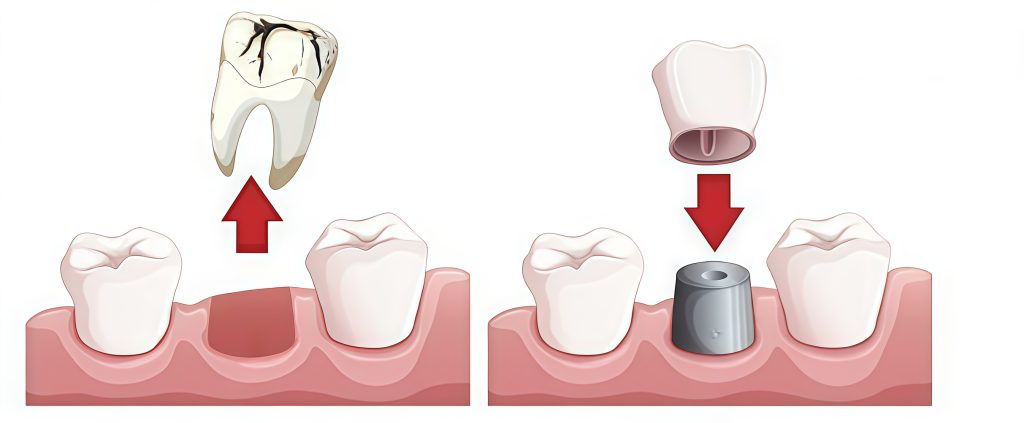
Tooth extraction is the complete removal of your tooth. Your dentist pulls the tooth out. The space is left empty.
An empty space causes problems. Your other teeth shift into the gap over time. Your bite changes. You need to replace the tooth with a denture, bridge, or implant.
Tooth extractions near you are sometimes necessary, but extraction is not always the best choice.
Comparing the Two Options
- Root canal keeps your natural tooth. Extraction removes it completely. Both have advantages and disadvantages.
- Root canal costs more upfront, but extraction costs more overall when you include tooth replacement. Root canal takes one to two visits. Extraction takes one visit, but replacement takes longer.
- Root canals have high success rates when done properly. Extraction has guaranteed results but creates new problems.
When Root Canal Is Better
- Root canal is usually the better choice when possible. Your natural tooth is always better than a replacement.
- Your natural tooth is stronger and lasts longer. It functions better than any replacement. Your bite stays balanced.
- Root canal saves your tooth. You do not experience tooth loss and the problems that come with it.
- Treatment is often completed in one to two visits. You get relief quickly and can return to normal eating. It acts as a tooth removal alternatives.
When Extraction Becomes Necessary
- Sometimes extraction is the only option. Your tooth might be too damaged to save.
- A tooth that is severely cracked below the gum line cannot be saved. Extraction is the only choice.
- A tooth with severe bone loss might be too loose. Extraction prevents further problems.
- A tooth with multiple failed root canals cannot be saved again. Extraction stops ongoing problems.
The Problem With Missing Teeth
- At a dental clinic in Bolton, your dentist explains why keeping your natural tooth is so important.
- When you lose a tooth, your remaining teeth shift. Your bite becomes misaligned. This causes problems with other teeth.
- Your jawbone shrinks where the tooth is missing. Your face shape changes. You might look older.
- You have to eat softer foods. You cannot chew everything you enjoy.
- Replacing a missing tooth costs $1,000 to $4,000. A root canal costs less than tooth replacement.
Making Your Decision
- Talk to your dentist about both options. They examine your tooth thoroughly and recommend what is best.
- Ask questions. Understand why your dentist recommends one option over the other.
- Consider your situation. Think about what matters most to you — saving your tooth or quick removal.
- Your dentist recommends the best option based on what they find. Trust their professional judgment.
Your Natural Tooth Is Valuable
Keeping your natural tooth is usually the best choice. Root canal treatment saves your tooth and keeps your smile healthy.
At South Hill Dental, our experienced team helps you understand both options and supports your choice. We save teeth whenever possible using modern root canal techniques. Book your tooth consultation with us today and discover the best treatment for your situation.
FAQs
Which is costlier – a root canal or an extraction?
Although a root canal treatment appears to cost more upfront, in the long run, extraction actually costs more overall once you factor in the cost of replacing a missing tooth. Root canal usually costs less in the long run than an extraction.
How long does a root canal take?
Most root canals take one to two hours. Some complex cases need two appointments. Your dentist explains your specific timeline.
Can a tooth be saved after years of problems?
Sometimes yes, sometimes no. Even if a tooth had problems before, a new root canal can often save it. Your dentist evaluates your specific situation.
Is a root canal painful?
No – your tooth is numbed before the procedure. You feel no pain during treatment. You might feel slight pressure, but not pain.
What happens if I extract my tooth instead of getting a root canal?
You will need to replace the tooth with a denture, bridge, or implant. This costs more money and takes longer. Your other teeth may shift into the gap.