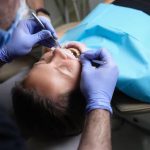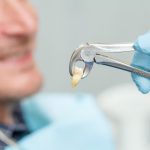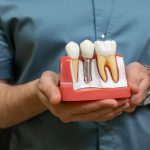


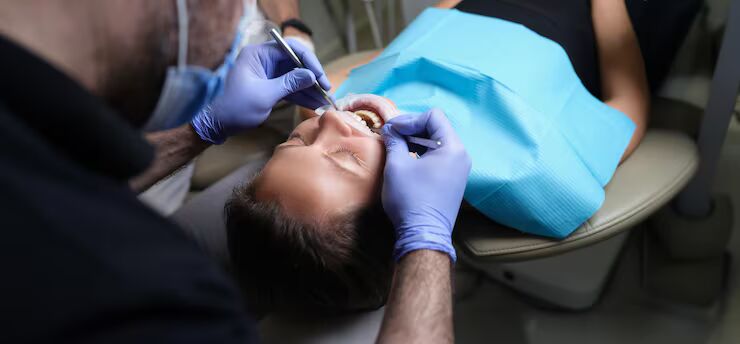
Teeth grinding after wisdom tooth removal may happen because the jaw muscles are sore or tight, or because the body is adjusting to changes after surgery. Swelling, pain, changes in how the teeth touch, and stress may also cause you to clench or grind your teeth for a short time. These problems often go away as you heal. However, ongoing pain or grinding should be checked by a dentist. Wisdom tooth removal can affect the muscles and joints that help you open and close your mouth. During recovery, your jaw may feel stiff or tired, especially when eating or talking. This can make it harder for your jaw muscles to relax. After wisdom teeth extractions in Bolton, following your dentist’s care instructions and giving your jaw enough rest can help reduce pressure on your teeth.
Why Does Teeth Grinding Increase After Wisdom Teeth Removal?
Several changes during recovery may lead to more grinding or clenching:
- Jaw muscle soreness: Keeping the mouth open during surgery can leave the jaw muscles tired or sore.
- Swelling: Swelling around the back of the mouth may change how the upper and lower teeth come together.
- Pain or discomfort: The body may tighten the jaw muscles without conscious effort when an area feels uncomfortable.
- Stress: Worry about healing, pain, or the procedure may increase nighttime clenching.
- Changes in eating habits: Chewing on one side or avoiding certain foods may temporarily affect normal jaw movement.
These factors can cause the jaw muscles to work differently while healing. However, grinding is not an expected result of every wisdom tooth extraction.
Can Jaw Clenching Happen During Recovery?
Yes, jaw clenching after wisdom tooth extraction may occur while the mouth heals. The jaw muscles can become tense after being held open during the procedure. Soreness may also make normal jaw movement feel uncomfortable.
Clenching may happen during the day or while sleeping. Daytime clenching can sometimes be noticed when concentrating or feeling stressed. Nighttime grinding may be harder to recognise, but possible signs include:
- Waking up with a tight or tired jaw
- Headaches near the temples
- Tooth sensitivity
- Soreness around the jaw joints
- A feeling of pressure around the teeth
If these signs persist or worsen, a dentist in Bolton can examine the teeth, jaw muscles, and bite to identify possible causes.
How Long Does Grinding Last After Wisdom Tooth Extraction?
Mild jaw tightness and muscle soreness often improve as the surgical area heals. The exact recovery time depends on the difficulty of the extraction, the amount of swelling, and individual healing.
Grinding caused by temporary muscle tension may settle over several days or weeks. However, if grinding started before surgery, it may continue after the extraction. Ongoing bruxism after oral surgery may also have other causes, such as stress, sleep problems, or an existing jaw condition.
Seek a dental assessment if grinding does not improve, causes tooth pain, or makes it difficult to open and close the mouth comfortably.
What Helps Reduce Teeth Grinding After Oral Surgery?
A few simple steps may help relax the jaw and reduce pressure during recovery:
- Follow your dentist’s instructions: take your medications as advised and keep the extraction site clean as directed.
- Eat soft foods: Choose foods that are easy to chew to avoid putting pressure on sore jaw muscles.
- Avoid hard foods: Stay away from hard or chewy foods until the area heals.
- Keep your jaw relaxed: Do not clench your teeth. Keep your lips gently closed and your teeth slightly apart when resting.
- Use cold packs: Apply a cold pack as advised by a dentist near you to reduce swelling.
- Relax before bed: Follow a calm bedtime routine to help reduce stress and jaw tension.
Avoid putting pressure on the extraction area. Do not use a night guard unless your dentist says it is safe.
Support Your Recovery With the Right Dental Guidance
Jaw tightness and teeth grinding can make recovery harder, but a dental check can help find the cause. Contact South Hill Dental if you continue to clench your jaw, have jaw pain, or notice changes in how your teeth fit together after wisdom tooth removal. Book an appointment to learn how to protect your teeth and feel more comfortable as you heal.