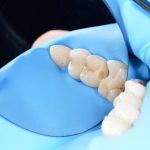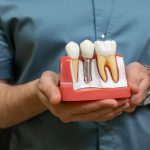


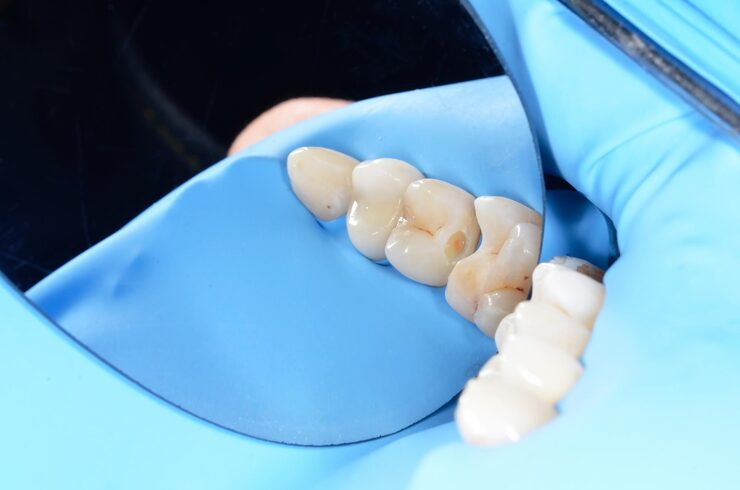
Dental inlays and onlays are custom-made restorations used to repair teeth with damage that is too large for a regular filling but may not require a full crown. Both help restore a tooth’s shape, strength, and ability to chew. The main difference is how much of the tooth they cover. An inlay fits inside the chewing surface, while an onlay also covers one or more raised edges of the tooth. If you need to restore a damaged tooth, inlays and onlays in Bolton may be suitable options depending on the size and location of the damage.
What Are Dental Inlays?
A dental inlay is a custom-made piece that fits into the damaged area between the raised edges of a tooth. It is often used when decay or damage is too extensive for a standard filling, but the tooth still has enough healthy structure to avoid a crown.
Inlays are commonly made from porcelain or other strong dental materials. They are shaped to fit the prepared area and attached to the tooth with dental cement.
An inlay may be recommended when:
- A cavity is too large for a regular filling.
- Part of the chewing surface is damaged.
- The tooth has enough healthy structure to support an inlay.
- A durable restoration is needed without covering the entire tooth.
What Are Dental Onlays?
A dental onlay repairs a larger area than an inlay. It covers the damaged chewing surface and extends over one or more raised edges, also called cusps. This helps protect weakened parts of the tooth while preserving more of the natural tooth structure than a full crown may require.
An onlay may be considered when:
- One or more tooth cusps are cracked or weakened.
- A large filling needs to be replaced.
- Damage extends beyond the centre of the chewing surface.
- A regular filling may not provide enough support.
Inlays, Onlays, and Crowns: What Is the Difference?
Understanding the differences between inlay, onlay, and crown can help explain why each restoration is used for different levels of tooth damage.
- Inlay: Fits inside the chewing surface without covering the raised edges.
- Onlay: Covers the chewing surface and one or more raised edges.
- Crown: Covers the entire visible part of the tooth above the gum line.
The right choice depends on how much healthy tooth structure remains, the location of the damage, and the strength needed. A crown may be suitable when a tooth is badly damaged or weakened. An inlay or onlay may preserve more of the tooth’s natural structure when enough of the tooth remains healthy.
How Are Inlays and Onlays Different from Fillings?
Fillings are placed directly into a prepared cavity and shaped while the material is being applied. Inlays and onlays are usually made outside the mouth to match the damaged area before being attached to the tooth.
A filling is often a good choice for small or medium-sized cavities. However, a tooth with more damage may need a stronger, custom-made repair. Your dentist will check how much of the tooth is damaged and whether it is strong enough to hold a filling before suggesting an inlay.
How Long Do Dental Inlays Last?
A dental clinic near you can assess the restoration and check for signs of wear, damage, or changes in fit. Regular dental visits can also help ensure your inlay or onlay remains in good condition and continues to protect your natural tooth.
The answer to how long dental inlays last depends on the material, bite pressure, oral hygiene, and daily habits. With proper care, inlays and onlays can often last around 5 to 15 years or longer, although their lifespan varies.
To help protect a restoration:
- Brush twice daily with fluoride toothpaste.
- Clean between your teeth every day.
- Avoid biting hard objects such as ice.
- Attend regular dental checkups.
- Wear a recommended night guard if you grind your teeth.
A dental clinic in Bolton can assess the restoration and check for signs of wear, damage, or changes in fit.
Restore Your Tooth With the Right Treatment
A damaged tooth does not always need a full crown. An inlay or onlay may be a suitable way to restore its shape and function while preserving more of the natural tooth structure. If you have a large filling, a cracked cusp, or a cavity that needs attention, arrange an assessment to determine which option best suits your needs. Contact South Hill Dental to discuss your treatment options and plan the next step towards a healthier smile.